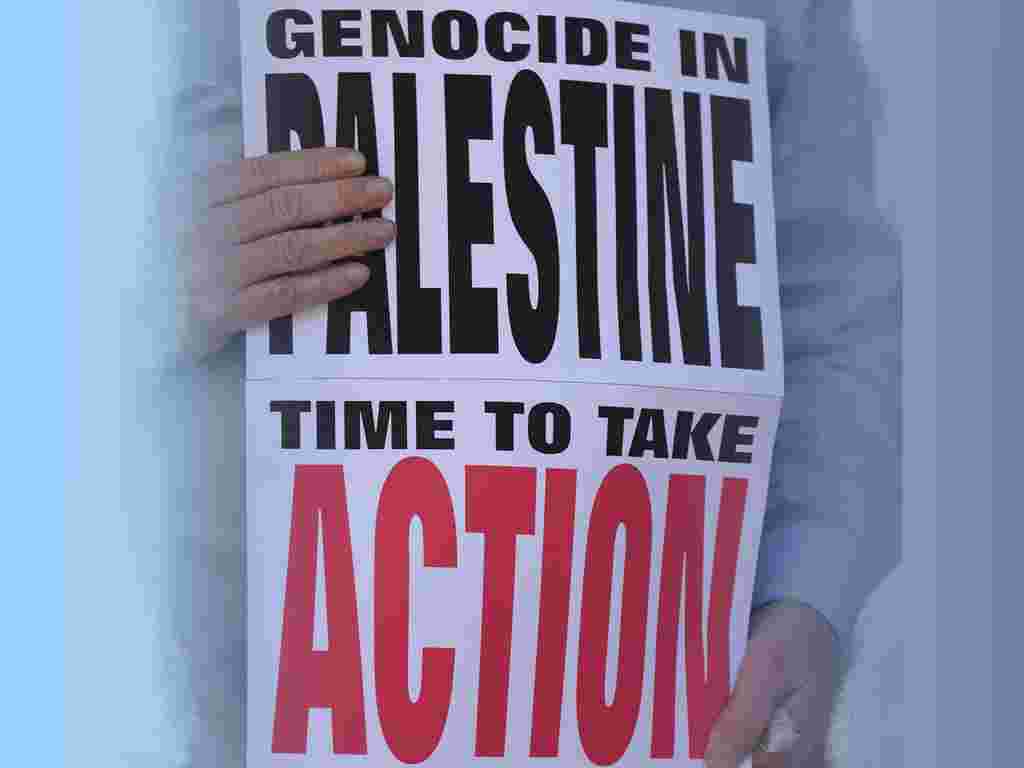
 You too could display a poster supporting Palestine Action.
Do you think it would be the right thing to do? If you don’t, is that because you think it would be the wrong thing to do, or do you just prefer not to get arrested?

You too could display a poster supporting Palestine Action.
Do you think it would be the right thing to do? If you don’t, is that because you think it would be the wrong thing to do, or do you just prefer not to get arrested?

Constantine
Yes, on the year of its 1700th anniversary, Catholic and Anglican churches are still reciting it. Why? Can’t we think for ourselves, rather than just assenting to what we are told? And anyway, what other institution expects all its members to stand up in public and recite its principles?
Without doubt the history of Christianity has changed ever since that fateful meeting. Was it responsible for the expansion of Christianity to other parts of the world? Or did it paganise a Jewish movement, replacing the values of Jesus with those of Constantine?
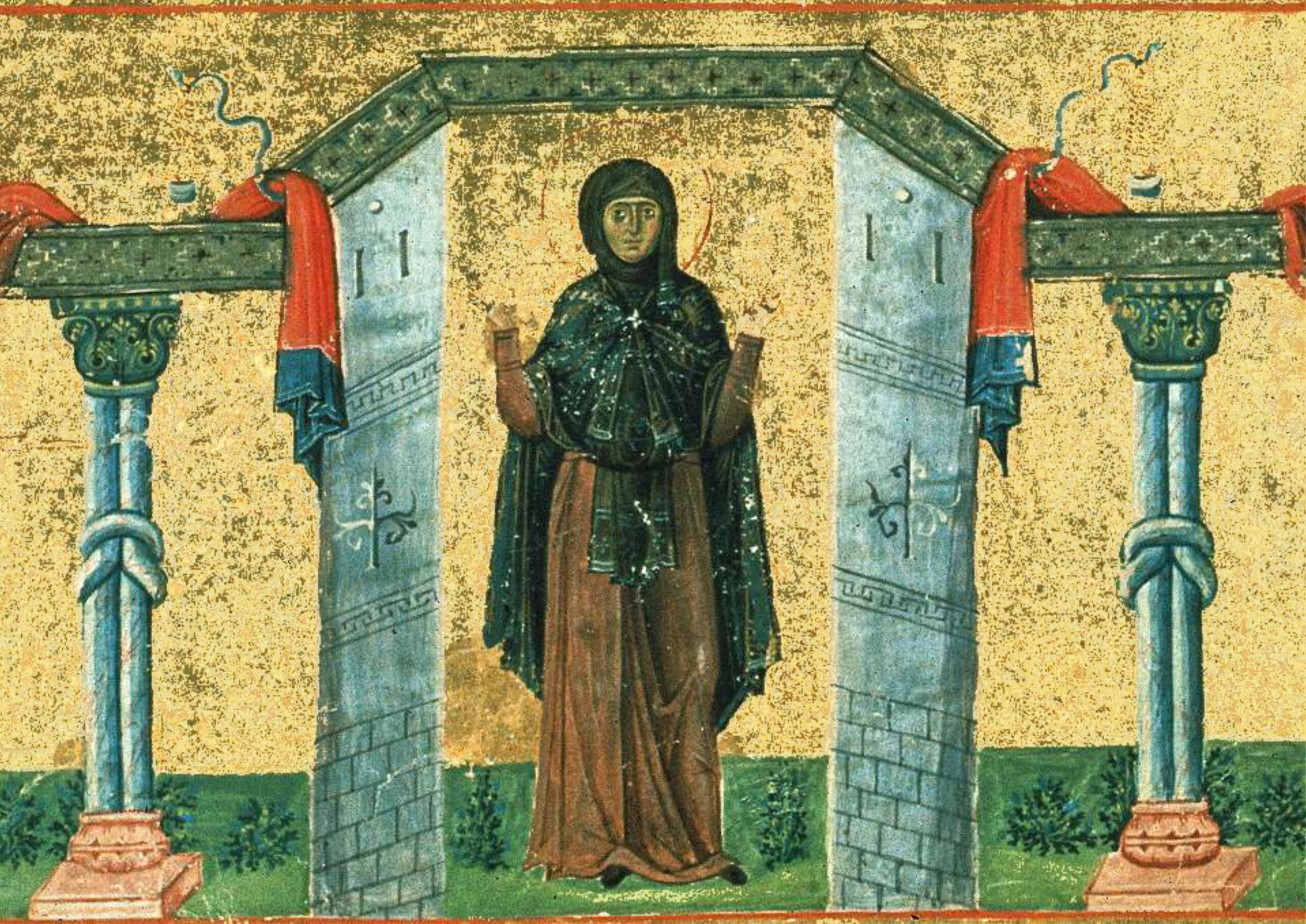
Melania the Younger, via Wikimedia Commons
Melania and Pinian, a wealthy 5th century couple, were committed to sharing their wealth with the poor. Because they were Christians. While touring Egypt they approached the monk Abba Hephestion, asking him to accept ‘a little gold’. He refused.
Melania hid the gold piece in the monk’s store of salt. Gerontius, who recorded the story, described what happened next:

Garden of Eden. Johann Wenzel Peter, 19th century
Biblical scholars debate whether there is a coherent theology running through the Bible, or a ‘Judaeo-Christian tradition’. I think there is. It’s an appeal to hunter-gatherer economics in reaction against agricultural empires.
To make sense of it we have to turn upside-down what my generation were taught to think of as ‘progress’.
All 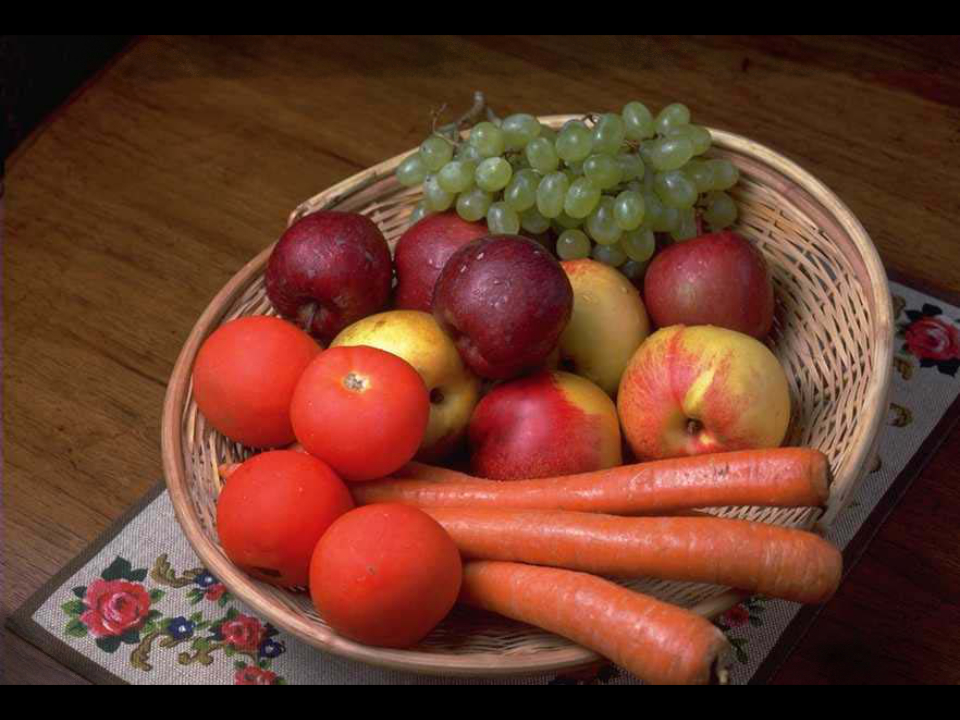 Hallows Leeds, the church I usually attend, runs its own food bank. I’m not one of the volunteers myself, but this morning we heard from some of them, aghast at the amounts of food wasted while local people go hungry.
It’s like this. Massive amounts of food are on sale in supermarkets one minute and the next being dumped in bins. Volunteers at the food bank have put a lot of work into developing relationships with the staff, arranging to collect the food and offer it to the hungry at the food bank.

Source: Uberprutser via Wikimedia Commons
Reading Thomas Fudgé’s Medieval Religion and Its Anxieties, at first I found it hilariously funny.
But then my mood changed. What if we find it funny because we have harmful values?
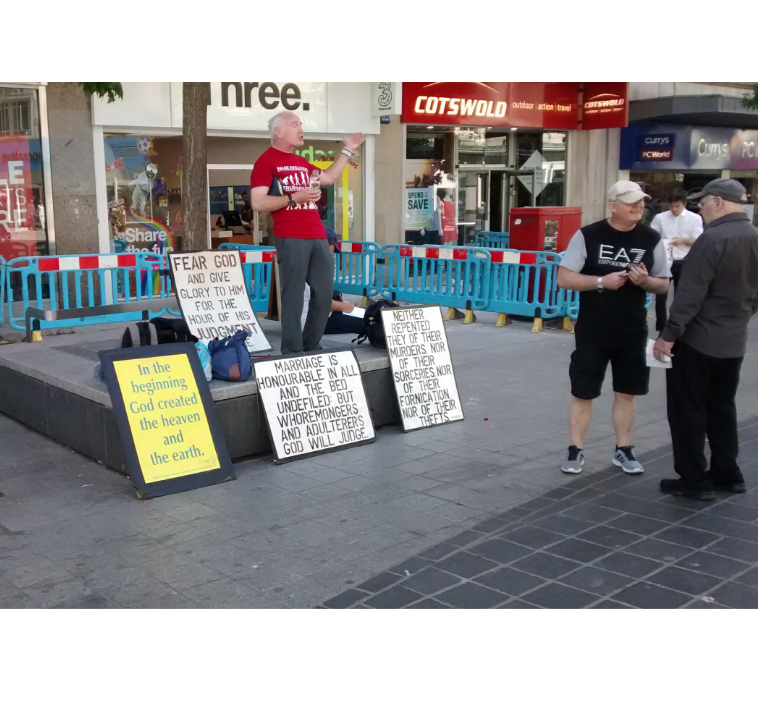 When I lived in Liverpool I quite often saw, in the pedestrian precinct, a hell fire preaching team. One man stood on a soap box, Bible in hand, warning us of the wrath to come while a couple of others handed out leaflets.
One day I sat on the pavement, next to one of the homeless men, asking what he thought of them. He was more Christian than me, very tolerant: ‘Each to their own’.
This cheeky question is often asked in atheist circles.
I have two answers, depending on what we are talking about.
This i s the second of two responses to William Cavanaugh’s The Myth of Religious Violence. I wasn’t expecting it to be bang up to date with this morning’s news, but last night’s response by Liz Truss to a question about ethics advisers illustrates exactly the point I was planning to address.
Cavanaugh’s ‘myth’ is that the wars of the sixteenth and seventeenth centuries were driven by religious disagreements, and were brought to an end by the rise of nation states. My earlier post describes his argument that the rise of nation states caused the wars rather than ending them.
 This post is the first of two responses to William Cavanaugh’s excellent The Myth of Religious Violence (2009). It has challenged my understanding of the ‘religious wars’ of the sixteenth and seventeenth centuries; but it also sheds light on today’s international conflicts.
It is a myth, Cavanaugh tells us, in both the usual senses: an untruth, and a moral narrative justifying a particular establishment.
