
How Jesus liberated the oppressed
What did Jesus of Nazareth actually spend his time doing? At a time of widespread starvation he persuaded villagers to make sure everybody got something to eat every day. It worked. Jews called him Messiah and pagans called him divine because so many people were rescued from starvation. Since the movement opposed the way the powerful helped themselves at the expense of the powerless, governments opposed it from the start—and still do.
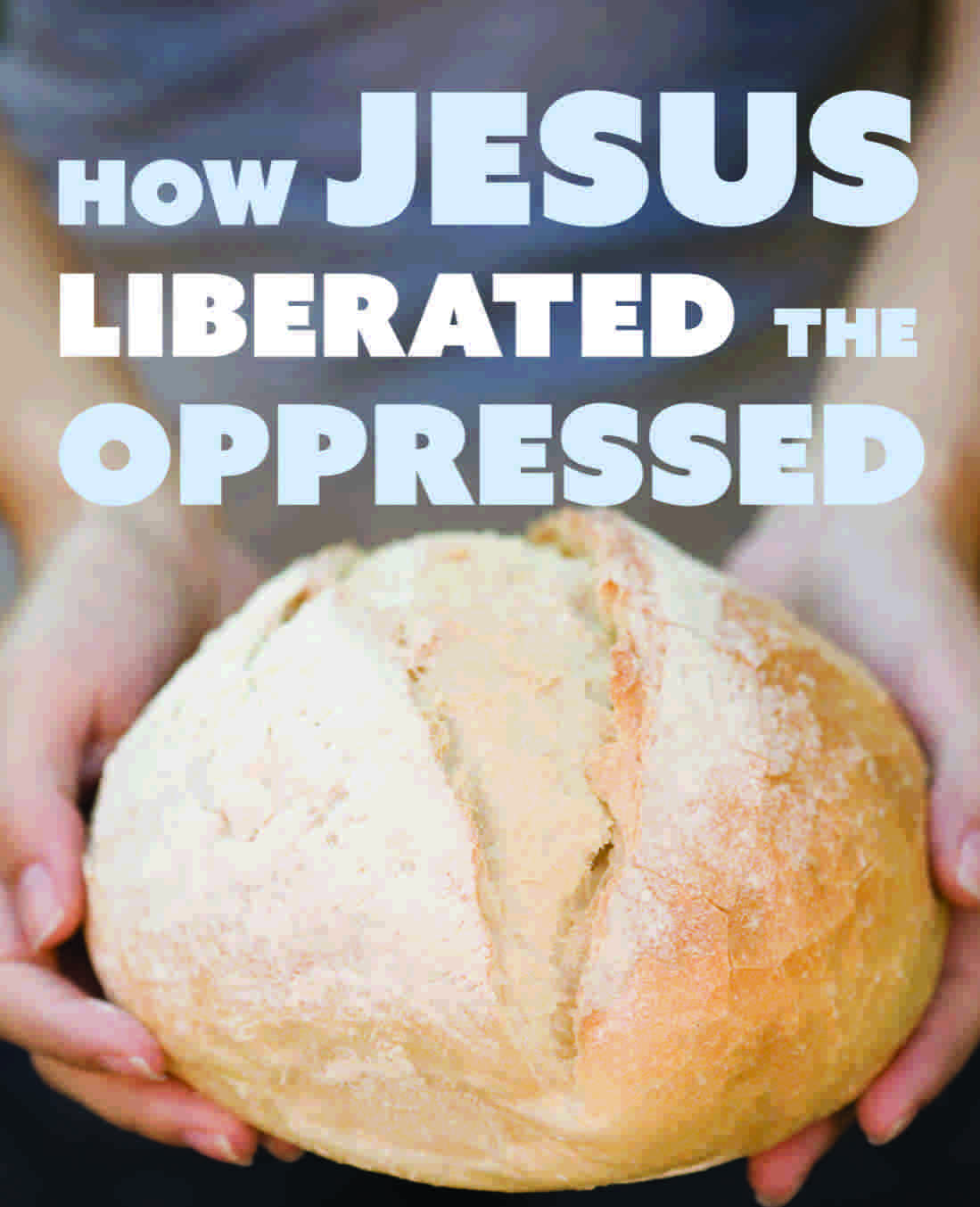 Jonathan Clatworthy traces the story of the Jesus movement from its origin in first century Galilee, through its growth in the Roman empire and its continuing influence throughout the Middle Ages, until it was effectively suppressed by modern economic theory. Today, when more and more people are homeless and depend on foodbanks, it is time to look again at what he achieved and how it might be revived.
More info
Order your copy
Why Progressives Need God
Environmental destruction, poverty in the midst of obscene wealth, one war after another. Our biggest crises are getting worse. Secularism makes this ine vitable by denying any moral authority higher than the ruling classes. By contrast, religious traditions offer accounts of who made us, for what purpose and how we should live, but whilst some are more constructive than others it is only monotheism, defined as divine harmony, that provides the philosophical and ethical framework necessary for people to lead better lives.
Drawing on cultural analysis, political philosophy, Christian apologetics and theodicy the author shows why, in order to resolve our crises, progressives need to reaffirm the goodness of the natural environment as a blessing from a good god.
 Making Sense of Faith in God

Spiritual awareness is back. Gone are the days when belief in God seemed to be dying out. But simply reaffirming older religious beliefs will not meet our present needs. Instead we need to explore how spiritual reality can affirm modern knowledge and help us make sense of the universe and our place in it. This book explores the main reasons for believing, including design, values, morality and religious experience. It shows how our lives as we experience them make far better sense in the context of a divine being than without one.
Liberal Faith in a Divided Church
Describes why liberals and conservatives in western Christianity understand their faith so differently, defends a liberal position and argues against the current hostility to homosexuality in the Anglican Communion.
The Windsor Report: A Liberal Response
Edited by Jonathan Clatworthy and David Bruce Taylor
The formal response by the Anglican Communion to the appointment of its first openly gay bishop was the Windsor Report. This book of essays contains responses from a liberal perspective.
The New Liberalism: Faith for the Third Millennium
A book of essays marking the Centenary of the Modern Churchpeople’s Union in 1998, edited by Jonathan Clatworthy with a preface and conclusion by Martyn Percy
Good God: Green Theology and the Value of Creation
Examines our inherited value judgements about the world and their roots in different theories of creation. The book explores the relationship between value judgements, cosmology and ethics to argue for defending the natural order and therefore adopting a ‘green’ agenda for social objectives, quite distinct from the left-right spectrum of modern political discourse.